


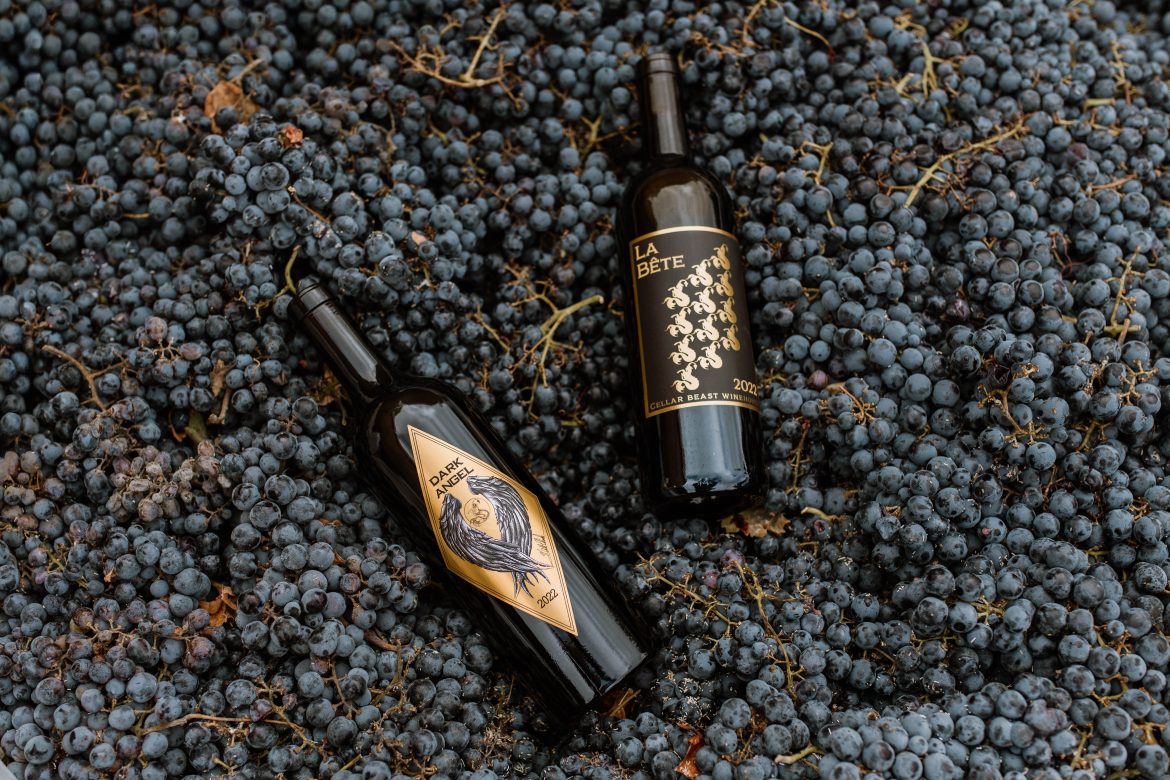
Some grapes are born into stardom, such as Cabernet Sauvignon, Chardonnay, and Pinot Noir. Others must wait centuries to be rediscovered. Carmenère, once a staple of Bordeaux, nearly vanished after phylloxera devastated French vineyards in the 19th century. Misidentified for decades, it quietly survived in South America, only to be recognized again in the 1990s. Now, in the volcanic soils and cool nights of Washington State, Carmenère is finding yet another new home, with Cellar Beast Winehouse helping lead its revival.
From Bordeaux to Yakima
Carmenère was once cherished in Bordeaux for its deep color, plush texture, and aromatic intensity. But its susceptibility to disease and inconsistent ripening made it vulnerable. When the phylloxera epidemic ravaged vineyards in the late 19th century, Carmenère fell out of favor. Most assumed it was extinct.
Unbeknownst to many, Carmenère had already made its way to Chile, where it was mistakenly planted and labeled as Merlot. It wasn’t until 1994 that a French ampelographer discovered the truth, that Chile’s Merlot was, in fact, Carmenère. The country quickly adopted this revelation, making Carmenère its signature red grape.
Today, Chile boasts more than 25,000 acres of Carmenère, primarily in the Colchagua, Maule, and Rapel Valleys, where the warm, dry climate supports lush, fruit-forward wines known for notes of ripe plum, blackberry, green bell pepper, and soft spice. Chile remains the global benchmark for Carmenère, but other regions are quietly redefining its potential.
A New Home in Washington
Washington State, by comparison, grows Carmenère on a far smaller scale, fewer than 30 acres statewide. It remains one of the rarest vinifera plantings in the region, typically reserved for micro-blocks and experimental bottlings. But in this underdog status lies opportunity. For winemakers who value distinction, Carmenère offers a canvas with which few others are working.
Among those embracing the challenge is Cellar Beast Winehouse. Since 2021, we’ve been sourcing Carmenère from the family-owned Pontin del Roza Vineyard in Yakima Valley, where hot summer days and cool desert nights give the grape the full hang time it needs to ripen while retaining acidity and structure. Gravelly soils and minimal irrigation further concentrate flavor and balance.
“We love working with Carmenère because it walks a line between classic elegance and rustic intensity,” says Mark Pagliaro, Winemaker at Cellar Beast. “It has all the aromatic intrigue of Cabernet Franc but finishes with this smoky, spicy grip that makes it totally its own.”
A Beast Worth Taming
In 2021, we released Dark Angel, our first Carmenère-forward blend, featuring 94% Carmenère and 6% Petit Verdot, aged 16 months in French oak, with 20% of the barrels new. It’s a wine designed to showcase the grape’s complexity without overshadowing its core identity.
The aromatics open with charred poblano, cracked pepper, and black raspberry. On the palate, the structure is polished yet firm, with silky tannins framing layers of dark fruit, roasted herbs, and earth. The finish is marked by savory depth and a lasting echo of spice.
Unlike Chile’s richer, more fruit-forward expressions, Washington-grown Carmenère expresses restraint and balance. Our approach emphasizes whole-berry fermentation, minimal extraction, and the use of neutral French oak, allowing the fruit, spice, and mineral character to shine without distraction.
The Cellar Beast Philosophy
At Cellar Beast, we take pride in applying Old World winemaking methods to premium West Coast fruit. Every vintage, we hand-pick grapes at peak physiological ripeness, then transport them across the country under cold-chain conditions, arriving at our Pennsylvania winery within three to four days of harvest.
Once the fruit is in the cellar, we rely on gentle, hands-on techniques: native or carefully selected yeasts, small-batch fermentations, extended aging, and patient blending. This philosophy is rooted in respect for the fruit’s origin and expression.
“Carmenère fits naturally into that philosophy,” says Head Winemaker Matt Check. “It’s a grape that asks for your full attention; if you give it the space and time, it repays you in complexity and balance. You can’t rush it, but when it’s right, it sings.”
That hands-off mindset shines through in Dark Angel, which has quickly become a signature offering for Cellar Beast. Its depth and uniqueness have made it a favorite among wine club members, tasting room visitors, and sommeliers looking to diversify their lists.
Looking Forward
As American wine drinkers continue to explore lesser-known varietals, Carmenère is poised for discovery. Its distinctive profile of ripe fruit, peppery spice, and earthy depth offers a compelling alternative to more familiar reds. For those seeking wines with a sense of place and character, Carmenère delivers both.
While plantings in Washington remain small, their impact is growing. Each vintage, we see the potential deepen, not just for Carmenère as a varietal, but for the story it allows us to tell: one of resilience, rediscovery, and craft.
At Cellar Beast, we believe Carmenère has more to say. With thoughtful sourcing and a philosophy grounded in patience and precision, we’re helping shape a new chapter for a grape nearly lost to time.
For Carmenère, that voice is finally being heard again – deep, spicy, and resonant. Visit www.cellarbeastwine.com to learn more about Carmenère and other varietals.
