


We’ve all heard about concussions and how much more common and prominent they are now, versus back in the day. Nowadays, there are entire concussion clinics with comprehensive programs and multiple therapies to help you get back on track and feel like yourself again.
Treating concussion patients alongside doctors who specialize in concussions is an experience I am thankful to be a part of.
Concussion recovery is not a linear progression. Sometimes you feel like you sprinted ahead 5 steps, and other days, more often than not, you feel like you took one step forward and 3 steps back. It’s frustrating, and it’s exhausting. If you are like many of my clients, as well as myself, you don’t like to take medications. Fortunately, maybe a little unfortunately, there’s a time and place for them. In the acute phase of healing from your concussion, it’s necessary to allow your brain to heal. Taking over-the-counter medications and medications your doctor prescribes is crucial in your recovery. There is also a time and place for medical massage and craniosacral therapy to aid in your progression and recovery. That’s where I come in.
Hi, I’m Jessica Prince, a specialist in craniosacral therapy, medical massage, nerve mobilization, myofascial release, and so much more. How did I get into treating concussions and understanding them and the intricacies of them? I had a severe concussion, a moderate TBI (traumatic brain injury), bulging and herniated discs in my neck, numbness in both arms, full facial bruising and swelling, just to name a few – and those are only the high physical injuries I had. I was (and am again) extremely quick to think on my feet and to assess clients in detail to ensure accuracy. Right after the concussion occurred, I was barely able to make words, and I could not walk without assistance. I couldn’t do anything for myself. I say this to tell you that the best way to accurately treat clients, when you’re capable, of course, is to go through it yourself. [There is a silver lining to every experience in life.] I have firsthand experience with a severe concussion, how treatment works, what kind of therapies are out there, and now that I’m better, I am using those connections I made through my recovery to treat others who are where I was, and for that, I am grateful.
Concussions happen in many ways: car accidents, sports, trips and falls, work-related, etc.
Recovering from a concussion can be a slow and challenging process. While rest and medical care are essential, therapeutic massage can support recovery by easing discomfort, improving circulation, and promoting overall healing.
Understanding Concussion Recovery
A concussion affects the brain’s ability to function normally, often leading to headaches, neck pain, dizziness, and fatigue. During recovery, the body benefits from gentle, restorative therapies that reduce tension and support the nervous system.
How Massage Supports Healing
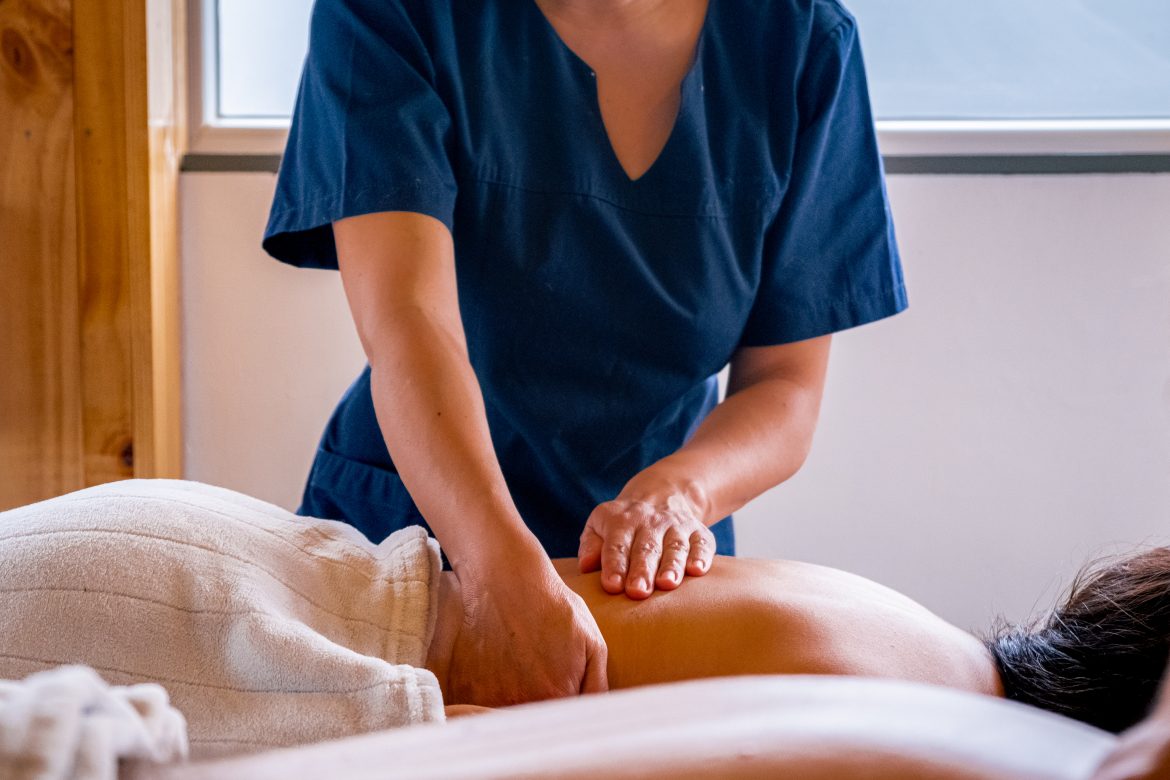
Massage therapy helps relieve muscle tightness and stress that often accompany concussions. By improving blood flow and lymphatic drainage, massage encourages the body’s natural healing processes. It can also help reduce secondary pain in the neck, shoulders, and upper back caused by muscle guarding or poor posture during recovery.
Key Benefits
Pain Relief: Reduces tension headaches and neck stiffness.
Improved Circulation: Enhances the delivery of oxygen and nutrients to healing tissues.
Stress Reduction: Calms the nervous system and promotes relaxation.
Better Sleep: Encourages deeper rest, essential for brain recovery.
Safe and Gentle Techniques
During concussion recovery, light-touch techniques such as craniosacral therapy and gentle myofascial release are recommended. These methods focus on restoring balance without overstimulating the nervous system.
When to Seek Massage
Massage should be introduced only after medical clearance, especially if symptoms like dizziness or nausea persist. A licensed massage therapist experienced in post-concussion care can tailor sessions to individual needs and comfort levels.
Promoting Long-Term Wellness
Incorporating massage into a recovery plan supports not only physical healing but also emotional well-being. Regular sessions can help manage lingering pain, reduce anxiety, and restore a sense of calm and balance.
Experience relief and support your recovery with therapeutic massage—helping the body and mind heal together.
