


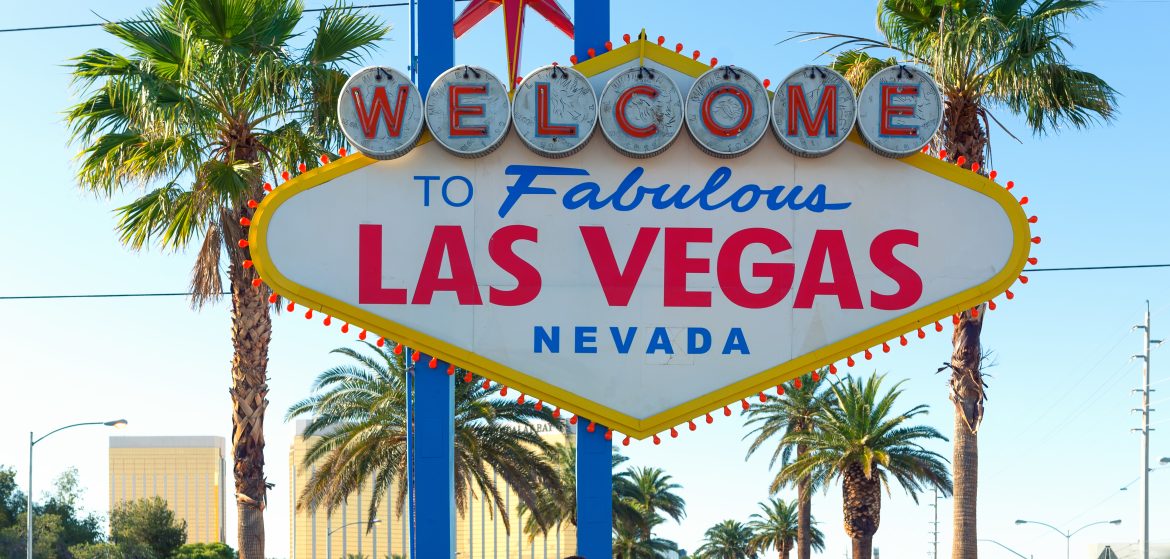
In a move that highlights the often underappreciated complexities of intellectual property law, the United States Patent and Trademark Office (USPTO) recently refused to register the trademark applications for “Las Vegas Athletics” and “Vegas Athletics”, proposed identifiers for the Oakland Athletics baseball franchise’s planned relocation to Las Vegas.
At first glance, this may seem like an esoteric legal setback for a franchise preparing for a high-profile relocation. For business leaders and brand strategists, however, the decision shines a spotlight on how geographic and descriptive elements in trademarks can undermine brand protection, even for century-old institutions.
Strike 1: The Examiner’s Ruling
Following another abysmal baseball season for the Athletics franchise, the team delivered one last swing and miss before the end of 2025. On December 29, 2025, the USPTO issued a non-final office action refusing registration of the team’s marks, concluding that the phrases Las Vegas Athletics and Vegas Athletics are “primarily geographically descriptive.”
Under Section 2(e)(2) of the Trademark Act, a trademark application can be denied if it merely communicates where a product or service originates without simultaneously identifying a unique commercial source. In the case of the marks which the A’s applied for:
- “Las Vegas” is indisputably a well-known place name.
- “Athletics” was deemed a generic term for sporting activity or professional sports services.
According to the examiner’s reasoning, the combined phrase simply describes a professional athletic enterprise based in Las Vegas, rather than signaling a unique brand in the marketplace, which is a fundamental requirement for federal trademark registration.
Why Historical Brand Equity Didn’t Help
Some observers assumed the Athletics’ long history, from Philadelphia to Kansas City to Oakland, might give weight to their application. Despite nine World Series titles and one hundred twenty-four years in existence, federal trademark law evaluates each filing on its own merits. Prior registrations for Oakland Athletics or stylized logos do not automatically confer rights to a new geographic variation.
Even decades of association with the name Athletics could not replace the USPTO’s requirement that the proposed Las Vegas marks have acquired distinctiveness, meaning consumers must already associate the term with a single commercial source in Las Vegas, which is difficult to demonstrate when the team has yet to play there or sell significant merchandise under the new name.
Business Implications for Brand Strategy
This episode carries broader lessons for marketers and business owners beyond the sports world:
- Geographic elements weaken trademark strength. Names that place a generic descriptor alongside a well-known location face steep barriers to registration. Even when they are registered, they often are weak marks with hindered exclusivity rights.
- Descriptive terms require proof of market recognition. Without extensive use or consumer association, descriptive phrases are hard to defend as uniquely linked to a single entity.
- Trademark rights are not retroactive or automatic. Businesses cannot assume past registrations or brand longevity guarantee future approvals in new markets or contexts.
The A’s Next Pitch
Despite the refusal, this setback does not prevent the franchise from using the Las Vegas name in commerce or advancing its relocation plans on the field. It simply means federal registration (with its associated legal protections) will require additional evidence or strategy.
The team has several options:
- Refile with evidence of acquired distinctiveness once operations, merchandising, and marketing in Las Vegas are well established.
- Appeal to the Trademark Trial and Appeal Board (TTAB) if the USPTO’s interpretation is believed to be in error.
- Pursue litigation in federal court, though this route is costly and typically reserved for particularly strategic marks.
Branding teams within major organizations, especially those in transition, can take away a clear message: trademark strategy should not be an afterthought but a core component of market entry and identity planning.
Takeaway for Business Leaders
The Athletics’ trademark refusal is less a fatal blow than a cautionary tale. As companies and brands expand into new territories or redefine themselves, understanding how trademark law views geography, descriptiveness, and distinctiveness can be critical to protecting long-term value. For those crafting brand names or pursuing trademark registration, an early and informed legal strategy can prevent avoidable hurdles at the U.S. Patent and Trademark Office.
